
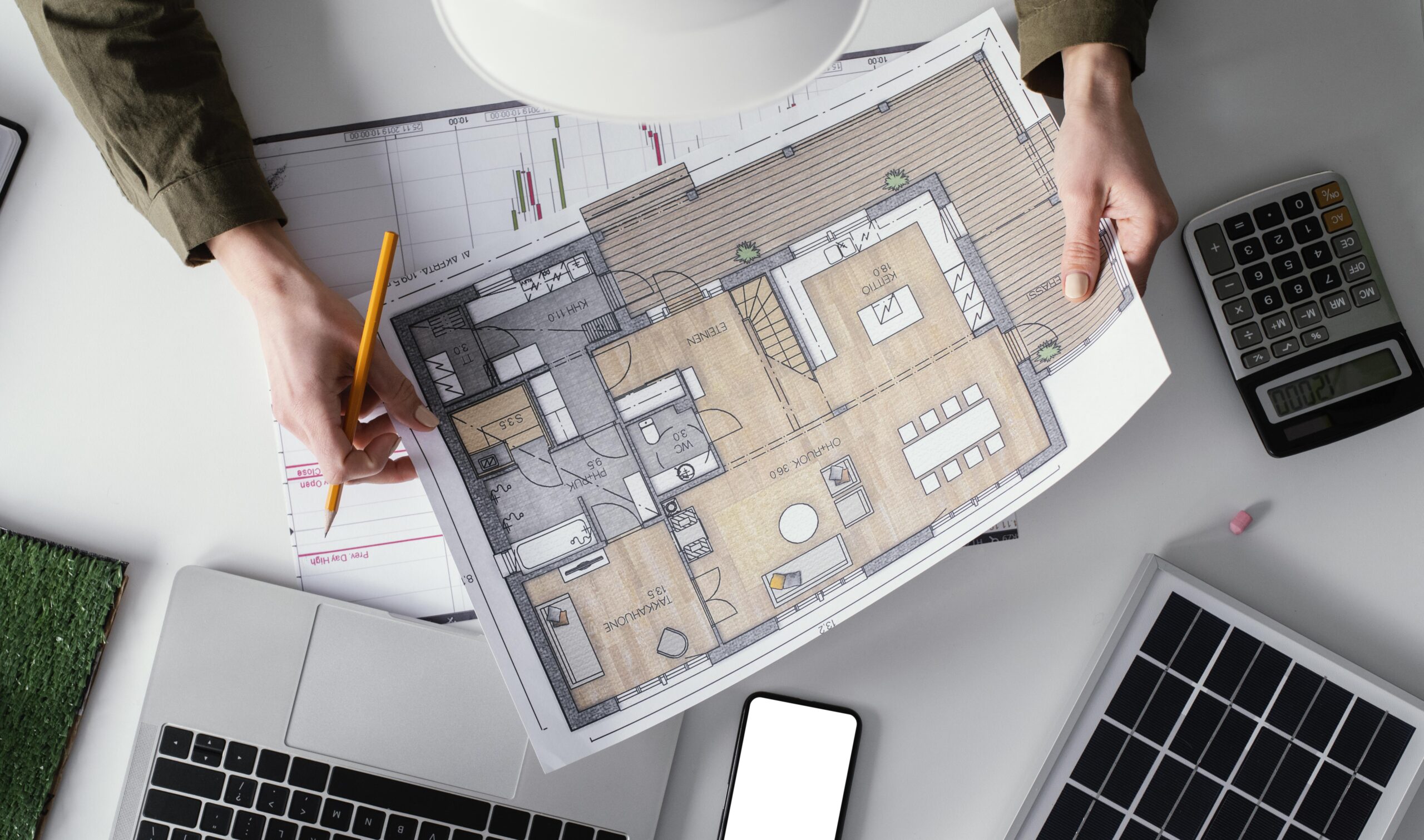
Why Budgeting Matters Before You Buy
Buying a home in France is exciting, especially if you dream of restoring a stone farmhouse or converting a barn into your perfect retreat. But too many buyers fall into the same trap: they commit to a property without understanding what the renovation will really cost.
Budgets in France are not just about building works. Taxes, planning permissions, professional fees and even everyday living costs during the renovation can catch you out. By thinking about your budget before you buy, you protect yourself from over-stretching and avoid the heartbreak of stopping a project halfway through.
This is exactly why many clients choose a pre-purchase renovation consultation with Renov’Assist by SR. We visit the property, assess its condition and give a realistic picture of renovation costs before you commit.
—
The Main Categories of Renovation Costs
When you budget for a French renovation, it helps to break costs into categories:
1. Purchase-Related Costs
– Notaire fees (*frais de notaire*): usually 7 to 8% of the purchase price. These include:
– Registration taxes (*droits de mutation*) charged by the state
– Disbursements (*débours*) covering admin and third-party costs
– The notaire’s fee, calculated on a fixed sliding scale
– Mortgage or bank fees if applicable
2. Professional Fees
– Architect or surveyor: may be required for larger projects or planning applications
– Engineer’s reports for structural checks
– Notaire consultation for legal permissions or title issues
– Or, a more practical option, a pre-purchase renovation consultation with Renov’Assist by SR, giving you an overview of costs, risks and permissions specific to your project
3. Building Works
This is the largest part of your budget. Prices vary widely depending on the region and the standard of finish you want.
– Basic renovations: €800 to €1,200 per m²
– Mid-range renovations: €1,200 to €2,000 per m²
– High-end or complex projects: €2,000+ per m²
4. Taxes and Permissions
– Planning applications may involve fees — [learn more about when you need planning permission in France here]().
– TVA (VAT): normally 20%, but reduced rates of 10% or 5.5% may apply on renovations to older homes
– Local taxes: such as taxe d’aménagement if you extend or convert a building
5. Living Costs During Works
– Renting elsewhere while works are done
– Temporary heating, water or electricity solutions
– Storage of furniture and belongings
—
Common Hidden Costs
Even with the best planning, there are always surprises. Some of the most common hidden costs include:
– Bringing electrics up to standard: older houses often need a complete rewiring
– Insulation: essential in stone buildings but can be expensive
– Septic tanks: many rural properties need updating to modern regulations
– Roof repairs: often underestimated, but vital for long-term protection
During a Renov’Assist by SR consultation, we often highlight these “hidden” elements early on, so buyers can budget properly and avoid unexpected shocks later.
—
Why Budgeting Is Different in France
Foreign buyers are often surprised by how different the renovation process feels compared to the UK, US or Australia.
– Artisan availability: Good artisans are often booked six to twelve months ahead, so cash flow must be planned around deposits and staged payments.
– Materials: Some products are more expensive in France than abroad, especially imported fittings.
– Regulations: Strict rules mean you may have to use specific materials, especially in historic or protected zones.
A Renov’Assist by SR consultation helps you navigate these French-specific challenges and plan a realistic budget tailored to your situation.
—
Example: A Farmhouse Renovation Budget
To make this clearer, let’s imagine you are buying a 150 m² stone farmhouse.
– Purchase price: €120,000
– Notaire fees: €9,600
– Architect’s fees: €8,000
– Renovation at €1,200/m²: €180,000
– Septic tank replacement: €12,000
– Contingency (15%): €27,000
Total budget: €356,600
This example shows how a “cheap” property can quickly add up when you factor in realistic renovation costs. Having an experienced eye to guide you at the buying stage makes a big difference to your confidence.
*Disclaimer: This example is based on using fully registered and insured French artisans. Costs can vary depending on region, level of finish, and whether you take on some of the work yourself. Renov’Assist by SR provides guidance tailored to your property and project, based on experience with renovation costs in France. It does not replace the role of notaires, architects or other regulated professionals. *
—
Tips for Staying on Budget
1. Get multiple quotes: always compare at least two or three artisans.
2. Clarify TVA rates: check if you qualify for reduced renovation VAT.
3. Phase the works: you don’t have to do everything at once, spreading costs can help.
4. Track spending carefully: small extras like paint, fittings and deliveries add up fast.
5. Don’t skip professional advice: a survey or a Renov’Assist by SR consultation costs far less than unexpected structural repairs.
—
Summary
Budgeting properly before you buy is the key to a successful renovation in France. With so many costs beyond the building work itself, preparing in advance avoids stress and disappointment.
A pre-purchase renovation consultation with Renov’Assist by SR gives you a clear picture of likely costs and risks before you sign. We can help you identify hidden issues, understand permissions and plan your budget with confidence.
👉 To understand the consultation process in detail, [read what to expect from a pre-purchase renovation consultation here]().
*Note: Our role is advisory and does not replace the legal or financial responsibilities of notaires, architects or other regulated professionals.*
 English (UK)
 Français